

Menu

USD

Electrical

83 Products
Show:
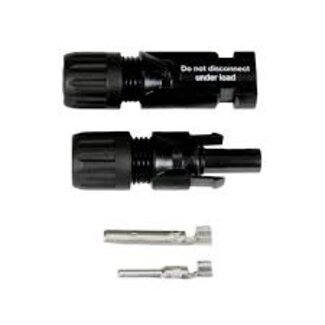
- Easy “snap-in” installation with safety locking tabs
- Contacts sealed against dust and water for long-lasting reliability
- Designed to conne...
More
- Easy “snap-in” installation with safety locking tabs
- Contacts...
$7.99 $7.99
 
 
- Pack of 4
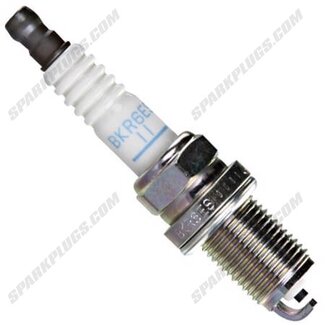
- Anti-corrosion and anti-seizing properties
More
- Pack of 4
- Anti-corrosion and anti-seizing properties
$9.99 $9.99
 
 
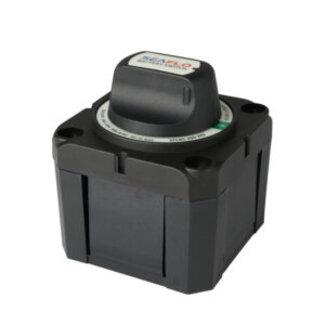
SEAFLO Battery Cut-Off Switch

Industry-Leading 4-Year Warranty!

Protect your RV by installing this SEAFLO Battery Master Switch. Rated at 275A c...
More
SEAFLO Battery Cut-Off Switch

Industry-Leading 4-Year Warranty!

...
$24.99 $24.99
 
 
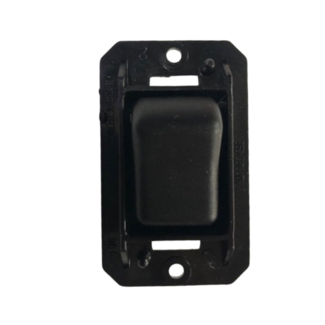
Pictured with 2G On/Off Switch Black (Sold Separately) More
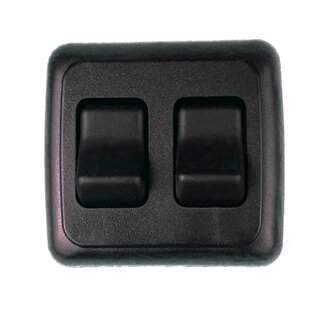
Pictured with 2G On/Off Switch Black (Sold Separately)
$0.99 $0.99
 
 
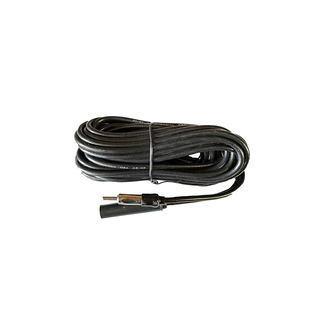
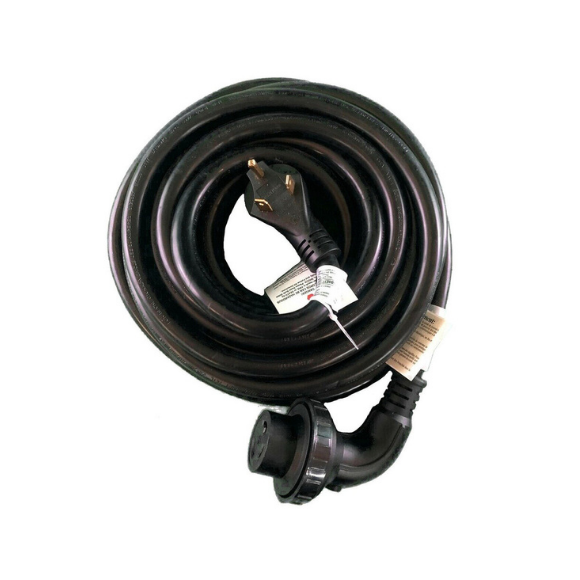
18' RCA Cable More
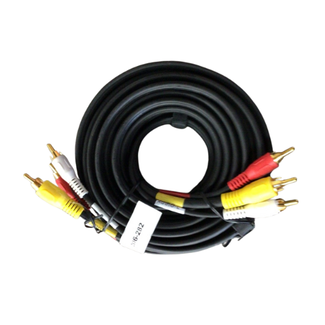
18' RCA Cable
$7.99 $7.99
 
 
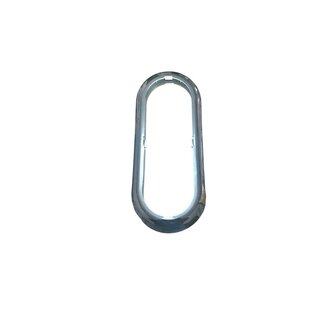
Trim ring for the 6" LED Oval Light SKU#STL78RBR More
Trim ring for the 6" LED Oval Light SKU#STL78RBR
$1.99 $1.99
 
 
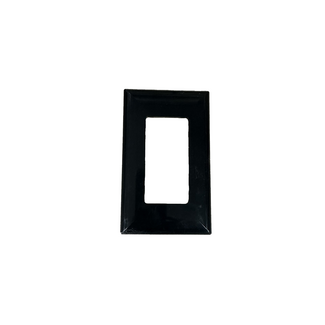
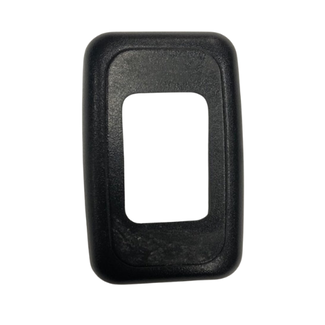
1G Switch Bezel More
1G Switch Bezel
$0.89 $0.89
 
 
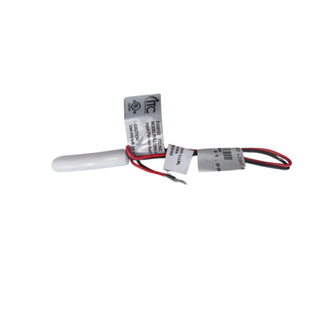
2" LED Light 10pk More
2" LED Light 10pk
$9.99 $9.99
 
 
Showing 73 - 83 of 83
Electrical

Know Your Electrical Systems

What's the difference between a converter and an inverter? A converter will take a 120V power supply and convert it down to a 12V power supply, allowing you to power all of your 12V appliances and lighting while simultaneously charging (and even maintaining) your battery. An inverter will take your 12V power supply (a single battery, or a battery bank) and invert it to 120V. Inverting from 12V to 120V is a much more demanding process, so don't expect too much from a single battery when powering 120V appliances. 

How do I know what size power supply I need? When it comes to recreational camping, there is no one-size-fits-all in the area of electrical. The most common size power inlet is 30 amp, delivering up to 3,600 watts of 120V power. Most large RV's and Fifth Wheel campers will have a 50 amp service, delivering 12,000 watts of 120V (50 amp has two 120V "hot" wires, where 30 amp has one). You can estimate this using the "Amps x Volts = Watts" formula. This is also very useful when deciding what appliances you can operate at the same time under your current power load! 

Brands
Price
Min Max
Close
Choose your language
Choose your currency
$

Recently added

Total excl. tax
$0.00
0
Compare
Start comparison

This product has been added to your cart